
Cultural differences are often most visible in ordinary moments.
They appear when we enter someone's home, make a plan for next week, meet a stranger on a mountain path, sit down for lunch, or realise that a quieter conversation does not necessarily mean a colder one.
The habits below are not universal rules. Slovenia has different generations, regions, households, and personalities. Life in Maribor is not identical to life in Koper, Ljubljana, Nova Gorica, or Celje. A village and a city also create different routines.
These are simply patterns that many members of our community noticed after spending time in Slovenia.
The slippers are often waiting by the door
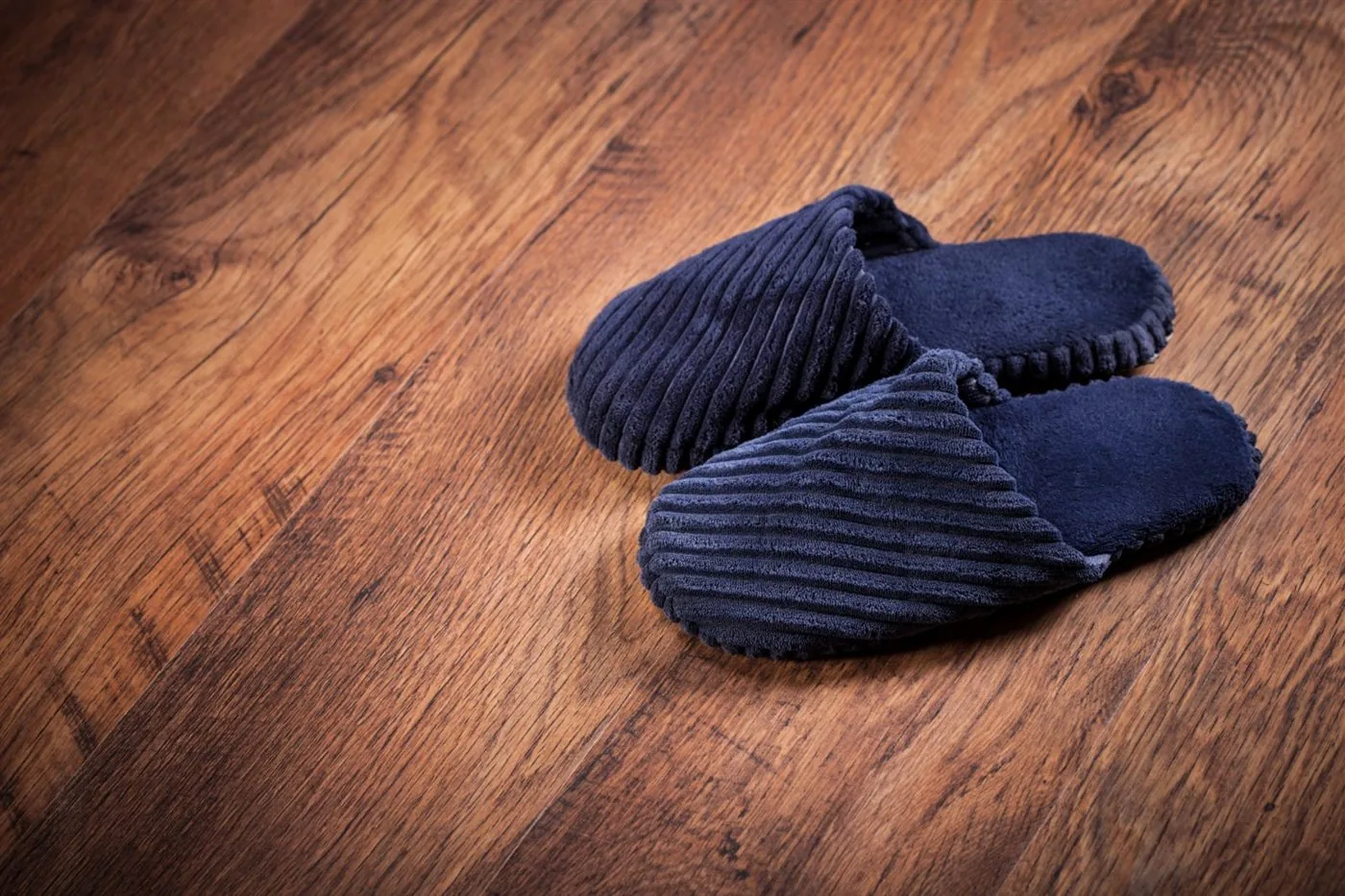
When visiting a Slovenian home, do not be surprised if you are asked to remove your shoes and offered slippers.
In many households, outdoor footwear stays near the entrance. Guests receive indoor slippers, sometimes from a small collection kept specifically for visitors.
For people from Macedonia, removing shoes may already feel familiar, but the organised supply of guest slippers can still be memorable.
The gesture is practical. It protects the floor, keeps the home clean, and marks a clear boundary between outside and inside.
The safest approach is simple. When entering, notice what the host does and ask where to leave your shoes. Do not walk confidently into the living room before checking.
Plans are often treated as real commitments
A phrase such as “we should meet sometime” can mean different things in different cultures.
In Slovenia, social plans are often made with a specific day, time, and place. Once agreed, they are usually treated as a real commitment rather than a flexible suggestion.
This can feel formal to someone used to more spontaneous arrangements. It can also be very helpful. People organise work, study, travel, family obligations, and free time carefully, so clarity shows respect.
Being late without a message may be understood less casually than it is in some Macedonian social settings.
This does not mean that Slovenian life lacks spontaneity. It means that spontaneous plans often work better when they do not replace an earlier agreement.
If something changes, send a message. If the meeting is at 18:00, plan to be there at 18:00.
Strangers greet each other in the mountains
On a busy city street, people usually pass without greeting.
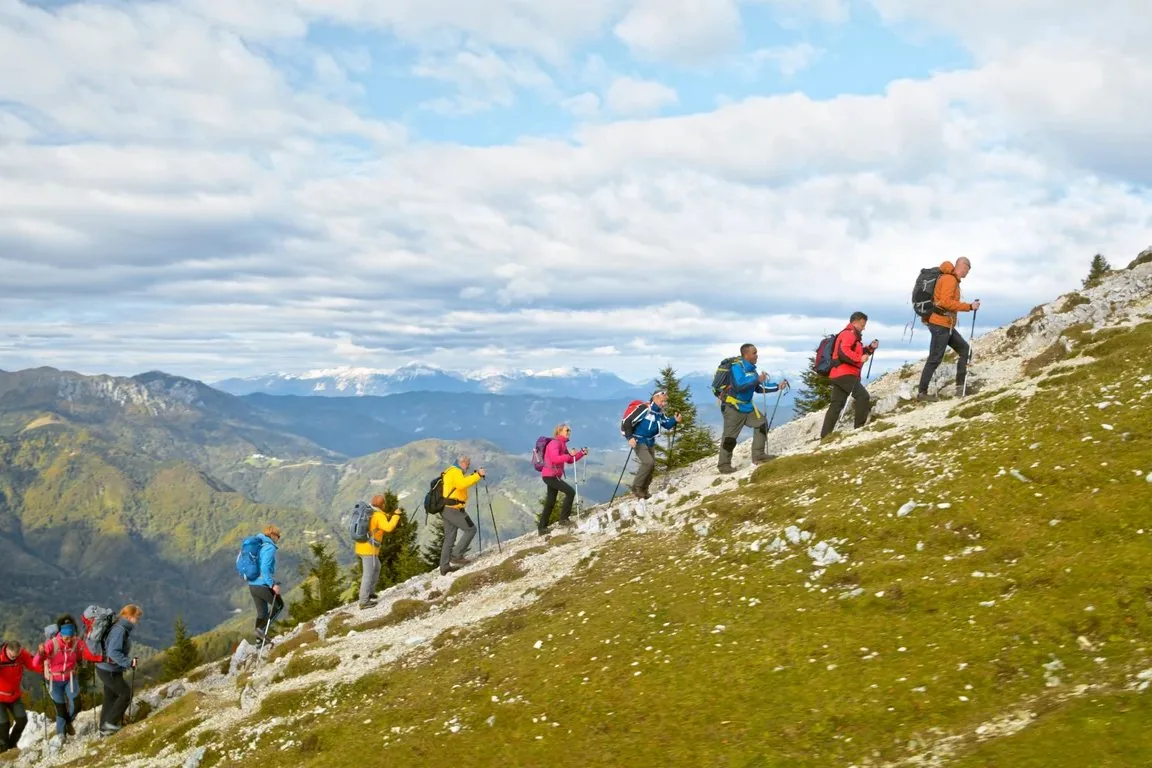
On a mountain path, the rule changes.
Hikers commonly say “dober dan,” “živjo,” or another short greeting when they pass, even if they have never met before. In mountain huts, conversations between strangers also begin more easily than they might in an urban setting.
This habit reflects the social culture of hiking in Slovenia. The mountains are recreational spaces, but they also create a temporary sense of shared responsibility and community.
The greeting is not an invitation to begin a long conversation. It is simply an acknowledgement that both people are using the same path.
For newcomers, it is a small detail that quickly becomes natural. After enough walks, remaining silent can begin to feel stranger than saying hello.
“Dober tek” comes before the first bite
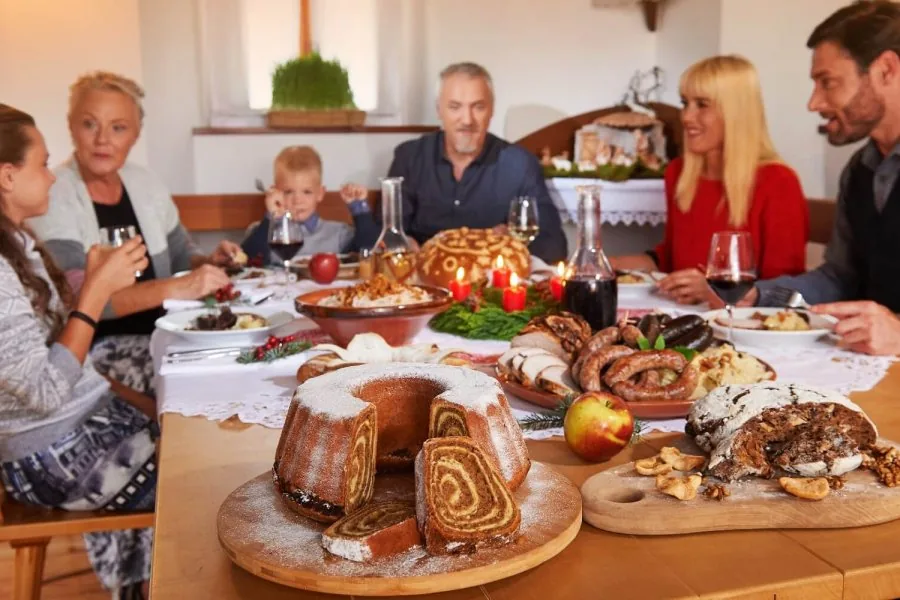
When food is served, people commonly say “dober tek,” meaning “enjoy your meal.”
The phrase may be spoken by the person serving, by people already seated, or by everyone around the table before they begin eating.
It is simple, but it matters. Starting immediately without acknowledging the shared meal can feel abrupt.
The phrase also appears in canteens, restaurants, offices, student dining spaces, and family homes. It is not limited to formal occasions.
Learning it is one of the easiest ways to participate in everyday Slovenian politeness.
The response may be “hvala, enako,” meaning “thank you, likewise,” especially when the other person is also eating.
Quietness does not always mean distance
Many Macedonians are used to fast conversations, overlapping voices, expressive reactions, and immediate personal questions.
Some Slovenian interactions may initially feel quieter and more reserved.
People may take longer to move from polite conversation to personal friendship. They may also protect private time and physical space more clearly.
This should not automatically be interpreted as rejection.
Trust may develop through repeated contact, shared activities, reliability, and time. A friendship can become very warm without beginning loudly.
Regional and personal differences are important. The social atmosphere on the coast may feel different from northeastern Slovenia. A student group behaves differently from an office. One person may be highly outgoing, another private.
The useful lesson is not that Slovenians are reserved. It is that closeness may be communicated less immediately.
Sunday lunch can still organise the day
For many families, Sunday lunch remains a recognisable weekly ritual.
A traditional version may include soup, a meat dish, roasted potatoes or another side, and salad. The exact meal changes between households and regions, and many families no longer follow one fixed menu.
What remains important is the time together.
Sunday lunch can influence when people travel, visit relatives, or make other plans. Invitations may involve more than food because the meal becomes the centre of a family gathering.
For a guest, arriving at the agreed time matters. The meal may have been prepared around that schedule.
The experience can feel familiar to Macedonian readers. The dishes differ, but the idea of a long family meal that structures part of the weekend is easy to recognise.
Nature is treated as a normal part of the week
In Slovenia, time outdoors is often not presented as a special holiday activity.
Walking, cycling, hiking, running, skiing, gardening, and visiting nearby hills or forests can be part of a normal week.
The exact landscape depends on where someone lives. Ljubljana has Tivoli and Rožnik. Maribor has the Drava and Pohorje. Nova Gorica connects quickly with the Soča Valley, the Karst, and the hills along the border. Koper and the Primorska region open toward the coast. Celje has river paths, nearby hills, and the route toward the castle.
This habit is less about extreme sport and more about regular access.
A short walk still counts. The plan does not always need a dramatic destination.
For many students arriving from Macedonia, this can become one of the easiest local habits to adopt.
Small habits become a language
Guest slippers, precise meeting times, mountain greetings, “dober tek,” quiet trust, Sunday lunch, and regular time outdoors do not explain every Slovenian person.
They do offer a practical introduction to everyday expectations.
The best approach is to observe without turning habits into stereotypes. Ask when unsure. Notice regional differences. Allow people to surprise you.
Culture is not a checklist. It becomes visible through repetition, especially after the unusual detail stops feeling unusual.